Our Office Will Be Closed on Monday (9/1) in Observation of Labor Day
How to Tell if a Plumbing Issue Is an Emergency
Some plumbing problems can wait a day or two for repairs, while others need immediate attention to avoid serious damage. Ottawa homeowners often contact B&W Plumbing, unsure whether the issue they are facing qualifies as an emergency or a standard service call. Knowing the difference matters because delays can sometimes lead to flooding, structural damage, health risks, or complete plumbing failure. Understanding what counts as a plumbing emergency can let you make faster decisions when something suddenly goes wrong.
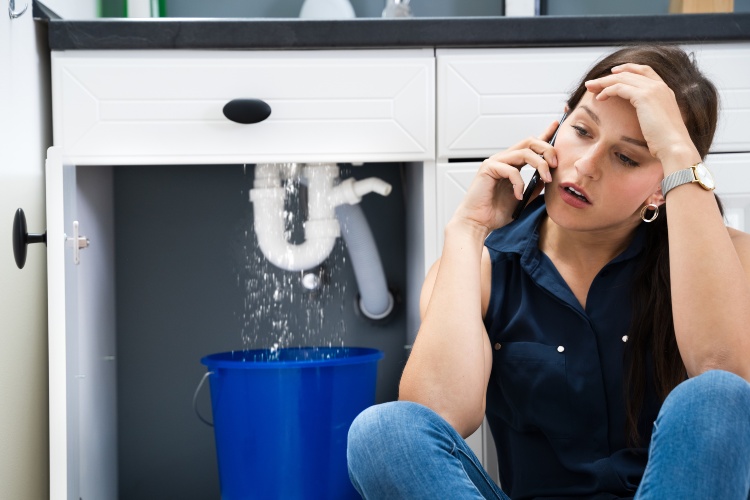
Why Knowing About Plumbing Emergencies Matters
Plumbing systems are connected throughout your property, and a single issue can quickly affect multiple areas of your home. Water damage spreads rapidly, especially when leaks occur behind walls, under flooring, or near electrical components, so recognizing common plumbing emergencies early can prevent larger restoration projects later.
Emergency plumbing situations can also affect your health and safety. Sewer backups may expose your household to harmful bacteria, while major leaks can weaken ceilings, walls, and floors. In colder weather, frozen or burst pipes may even leave your home without access to running water.
What Constitutes for a Plumbing Emergency?
In general, what is considered a plumbing emergency comes down to risk. If the problem threatens your property, health, or your ability to use plumbing fixtures safely, it likely requires urgent attention. Most plumbing emergency examples involve uncontrolled water flow. A burst pipe, overflowing toilet that will not stop, or leaking water heater can all cause extensive water damage within a short period of time. Some of the most common situations we treat as emergencies include:
- Burst or frozen pipes
- Major water leaks
- Sewer backups
- Overflowing toilets that cannot be stopped
- No running water throughout the home
- Gas line concerns connected to plumbing systems
- Water heater leaks causing flooding
- Clogged drains affecting multiple fixtures simultaneously
Clear Signs You’re Dealing with a Plumbing Emergency
Some plumbing problems are obviously urgent. A sudden loss of water pressure throughout the entire house may signal a significant leak or broken water line. Likewise, sewage odours combined with slow drains can indicate a developing sewer backup. If you notice any of the following, immediate action is usually necessary:
- Water pooling rapidly indoors
- Ceilings bulging from trapped water
- Sewage backing up into sinks or tubs
- Water stains spreading across walls
- Frozen pipes beginning to crack
- No access to hot water during winter
- Overflowing fixtures that continue after shutting off valves
- Strong sewer odours inside the home
Plumbing Problems That Are Usually Not Emergencies
Many plumbing issues are inconvenient rather than dangerous. A slow-draining sink, for example, can usually wait for a scheduled appointment if the drain is still functioning. Minor faucet drips and isolated clogged drains are also common non-emergency issues. Problems that are usually safe to schedule during regular service hours include:
- Small faucet leaks
- One slow drain with no backup
- Minor toilet running issues
- Low water pressure at a single fixture
- Garbage disposal jams without leaks
- Small pipe condensation issues
How to Decide Quickly – Emergency or Can It Wait?
During stressful situations, homeowners may struggle to decide whether to call immediately or wait until morning. A simple way to evaluate the situation is to ask yourself how much damage could happen if the problem continues. If water is actively spreading, sewage is entering the home, or your plumbing system has stopped functioning, it is safest to treat the issue as urgent. There are also a few practical questions that can help you assess the severity of the situation:
- Can you stop the water flow safely?
- Is the problem affecting the whole house or only one fixture?
- Could the issue damage walls, flooring, or electrical systems?
- Are sewage or contaminated materials involved?
- Will waiting increase repair costs significantly?
What to Do Immediately During a Plumbing Emergency
Fast action can reduce damage during a plumbing emergency, and even before a plumber arrives, homeowners can take steps to protect their property. The first priority is always limiting water exposure. Every homeowner should know where the main shutoff valve is located before an emergency occurs. If a major plumbing issue develops, do the following:
- Turn off the main water supply.
- Shut off electricity near flooded areas if safe to do so.
- Move furniture or valuables away from water.
- Contain smaller leaks with towels or buckets.
- Avoid using affected drains or toilets.
- Open faucets to relieve remaining pressure in pipes.
- Contact an emergency plumbing professional immediately.
Why Ignoring a Plumbing Emergency Can Be Costly
Water travels quickly, and what begins as a manageable repair can turn into a major restoration project if left untreated. Sewer backups are especially serious because they introduce contaminated water into living spaces. Ignoring emergency plumbing issues may also lead to:
- Mould growth
- Structural weakening
- Electrical hazards
- Higher water bills
- Foundation damage
- Permanent flooring damage
- More extensive pipe repairs
Frequently Asked Questions
A plumbing emergency is any issue that poses a risk of property damage, health concerns, or complete plumbing failure. Burst pipes, sewer backups, and major leaks are common examples.
Some of the most common plumbing emergencies include overflowing toilets, burst pipes, sewer line backups, and leaking water heaters.
Frozen pipes, no access to running water, or burst plumbing lines during freezing temperatures are all considered urgent plumbing situations.
A single slow drain is usually not an emergency, but multiple clogged drains, combined with sewage smells or backups, may indicate a serious sewer issue.
Yes. Turning off the main water supply can reduce flooding and minimize damage until a plumber arrives.
Contact B&W Plumbing for Emergency Plumbing Service
When plumbing problems escalate quickly, fast response matters. B&W Plumbing provides emergency plumbing services in Ottawa and the surrounding areas for burst pipes, sewer backups, major leaks, and other urgent repairs. If you are unsure whether your plumbing issue can wait, contact our team, and we will help you determine the safest next steps.