Our Office Will Be Closed on Monday (9/1) in Observation of Labor Day
Common Plumbing Issues Found in Older Homes
Older homes have a level of charm and craftsmanship that newer properties cannot replicate. Many homeowners appreciate original woodwork, historic layouts, and established neighbourhoods. However, aging plumbing systems can create problems. Pipes, fixtures, drains, and water lines naturally wear down over time, and materials that were once standard may no longer meet modern safety or efficiency standards.
Learning about the most common plumbing concerns in older properties can help you recognize early warning signs and make informed decisions about repairs and upgrades. At B&W Plumbing, we help homeowners address plumbing issues in older homes in Ottawa before they lead to expensive repairs or emergencies.
Why Older Homes Have Unique Plumbing Problems
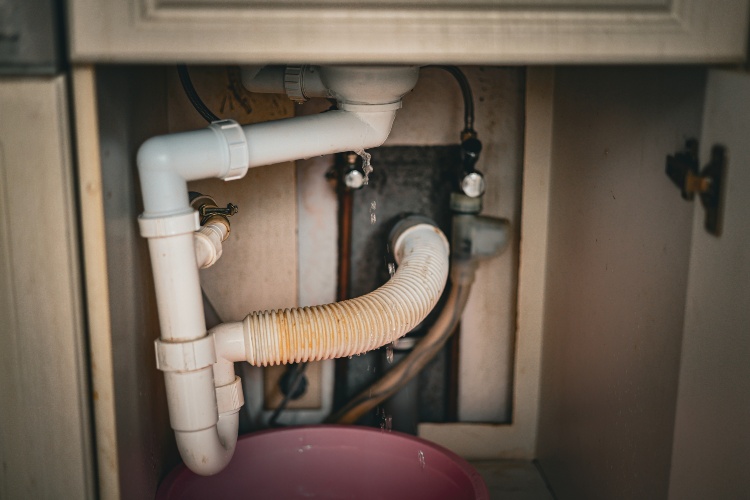
Many older homes were built using plumbing materials and installation methods that are no longer commonly used today. While some systems continue functioning for decades, age eventually affects performance, reliability, and water quality.
Homes built decades ago may contain galvanized steel pipes, clay sewer lines, or even lead pipes in old homes. These materials tend to deteriorate slowly over time, and corrosion inside aging pipes can reduce water pressure, increase the risk of leaks, and contaminate water supplies.
In some cases, plumbing systems were also designed for lower water usage than modern households require. Dishwashers, multiple bathrooms, washing machines, and upgraded fixtures place more demand on old plumbing systems than they were originally built to handle.
Why Plumbing Problems Are More Common in Older Homes
Plumbing problems in old homes tend to develop gradually, and because many pipes are hidden behind walls, under floors, or beneath foundations, damage can remain unnoticed until symptoms become severe. These factors contribute to the higher frequency of plumbing issues in older homes:
- Aging pipe materials that weaken over time
- Corrosion caused by decades of water exposure
- Tree root intrusion into older sewer lines
- Outdated plumbing layouts that no longer meet modern demand
- Previous DIY repairs that may not meet current standards
Most Common Plumbing Issues in Old Homes
Older homes can develop a wide range of plumbing concerns, but certain problems appear repeatedly during inspections and repair visits. Some of the most common plumbing issues in homes with aging systems include:
- Corroded galvanized pipes
- Leaking pipe joints
- Low water pressure
- Frequent drain clogs
- Sewer line deterioration
- Outdated fixtures and valves
- Water heater inefficiency
- Lead water service lines
Galvanized pipes are one of the biggest concerns in older homes. Over time, mineral buildup and rust collect inside the pipes, restricting water flow and increasing the chance of leaks. In many cases, replacing water pipes in old home plumbing systems becomes the most effective long-term solution.
Lead pipes in old homes are another important issue. Some homes may still contain lead service lines or lead solder connections. Although not every older home contains lead plumbing, homeowners should have their systems inspected if the pipe material is unknown.
Warning Signs of Plumbing Problems in Older Homes
Paying attention to subtle changes can help prevent large repair bills later, and many plumbing problems give warning signs before major damage occurs. Homeowners should watch carefully for signs of plumbing issues, such as:
- Rust-coloured water
- Unexplained increases in water bills
- Persistent drain odours
- Water stains on ceilings or walls
- Reduced water pressure
- Slow drains in multiple fixtures
- Banging or rattling pipes
- Damp areas near foundations
How These Issues Can Lead to Plumbing Emergencies
When older plumbing systems fail suddenly, the damage can be significant. Small leaks may eventually burst, sewer lines can collapse without warning, and weakened pipes may fail during winter freezes. Plumbing emergencies connected to older homes include:
- Burst pipes during cold weather
- Major water leaks behind walls
- Flooded basements from failed sewer lines
- Overflowing fixtures caused by blockages
- Water contamination concerns
How to Fix and Manage Plumbing Issues in Older Homes
Managing older plumbing systems requires a combination of repairs, inspections, and strategic upgrades. Some problems can be resolved with targeted repairs, while others require replacements to prevent ongoing issues. For homes with extensive corrosion or recurring leaks, replacing water pipes in old home plumbing systems may provide better long-term reliability than repeated repairs.
Professional inspections are the best place to begin. A licensed plumber can identify hidden corrosion, outdated materials, and drainage concerns before recommending solutions. Depending on the condition of the plumbing system, repairs may include:
- Pipe replacements for corroded sections
- Drain cleaning and sewer camera inspections
- Fixture and valve upgrades
- Water pressure adjustments
- Sewer line repairs
- Water heater replacement
How to Prevent Plumbing Problems in Older Homes
Preventive maintenance is especially important for older homes. Routine inspections allow homeowners to monitor the condition of pipes, drains, and fixtures before failures occur. Preventive care also extends the lifespan of plumbing systems that remain in good condition. These habits can reduce plumbing problems in old homes:
- Schedule regular plumbing inspections.
- Insulate exposed pipes before winter.
- Avoid flushing grease or debris into drains.
- Replace outdated fixtures proactively.
- Monitor water pressure regularly.
- Address leaks immediately.
Frequently Asked Questions
Yes. Aging pipes, outdated materials, and decades of wear make plumbing problems more common in older properties.
A plumbing inspection can confirm whether lead pipes in old homes are present. Older service lines and dull grey pipes may indicate the presence of lead.
Corrosion and mineral buildup inside old pipes are common causes of reduced water pressure.
Pipe replacement is often recommended when leaks become frequent, corrosion is severe, or water quality is affected.
Rusty water, slow drains, water stains, unusual odours, and rising water bills are all common signs of plumbing issues.
Contact Us for Older Home Plumbing Repairs
Older homes require experienced plumbing care to keep systems working safely and efficiently. B&W Plumbing provides inspections, repairs, and plumbing upgrades throughout Ottawa and the surrounding areas. Whether you are dealing with aging pipes, recurring leaks, or drainage concerns, our team can identify the problem and recommend practical long-term solutions. Give us a call today to schedule an evaluation.