Our Office Will Be Closed on Monday (9/1) in Observation of Labor Day
How to Remove Grease Buildup in Drainpipes
Your daily cooking, washing, and bathing routines are essential for a well-functioning, happy household. However, oils, food scraps, and other materials running down your pipes can collect and result in slow-moving or stopped water flow. Having a grease blockage in your drain in Ottawa, ON and the surrounding areas doesn’t have to ruin your domestic life or cost you your hard-earned savings account to resolve. B&W Plumbing proudly serves residents throughout the area, including the east end, and we’ll gladly advise you on how to get rid of the grease buildup in your drain. As seasoned plumbing professionals, we know the ins and outs of unclogging grease in drains and will gladly share helpful insights into what breaks up grease in a drain and how to prevent this issue from happening in the future. With the information on this page, you’ll learn about how to remove grease buildup in your drainpipes and much more.
Why Grease Buildup is a Serious Problem
Grease buildup in your drainpipes is more than a nuisance. It’s a serious threat to your plumbing and home. As grease cools, it solidifies along pipe walls, narrowing passages and trapping food particles until stubborn clogs form. Over time, this buildup can cause slow drains, foul odours, and even complete blockages that lead to messy backups or leaks inside walls and cabinets. In severe cases, pressure from repeated clogs can damage pipes or joints, increasing the risk of water damage and mould. Addressing grease issues as soon as you notice sluggish drains or smells helps you avoid emergency service calls, costly repairs, and the stress of unexpected kitchen or bathroom disruptions. B&W Plumbing will gladly guide you through your grease removal options, including knowing when to turn to a professional for help.
Common Signs of Grease Buildup
Grease buildup in your drainpipes often starts subtly, but the warning signs become harder to ignore as the problem grows. Left unchecked, it can restrict water flow, trigger recurring clogs, and eventually cause backups that damage cabinets, flooring, and even lower levels of your home. Paying attention to early indicators helps you deal with the issue before it turns into a stressful, expensive plumbing emergency and keeps your kitchen and bathroom drains working smoothly. Below, we’ve outlined several common signs that grease is building up in your drainpipes to help you identify the issue and take action as early as possible:
- Water drains slowly from sinks, especially after washing greasy dishes or cookware.
- You notice frequent, recurring clogs in the same sink, even after plunging or using a basic drain cleaner.
- There is a persistent, sour or rancid odour coming from the drain opening.
- Gurgling or bubbling sounds occur as water drains, suggesting restricted flow inside the pipe.
- Greasy residue or film is visible around the drain or in the sink after the water clears.
What Causes Grease to Accumulate in Drains?
Everyday routines in the kitchen and bathroom quietly encourage grease to build up inside your drains. Cooking with oils and fats, rinsing pans, washing dishes, and even using certain personal care products all send small amounts of grease, soap scum, and residue down the sink. Over time, these materials cool, harden, and cling to the inside of pipes. Layers gradually thicken, narrowing the passage, trapping food particles, and setting the stage for slow drains, odours, and stubborn clogs. The following are common examples of what causes grease to build up in your drains:
- Pouring leftover cooking oil, bacon fat, or pan drippings down the sink, even when followed by hot water, which cools and solidifies in the pipes.
- Rinsing greasy pots, frying pans, and baking trays without wiping them with a paper towel first.
- Scraping food scraps containing butter, sauces, or gravies into the sink instead of the compost or garbage.
- Heavy use of creamy soaps and body washes that combine with minerals and oils to form a sticky film.
- Running a dishwasher loaded with dishes still coated in grease and rich, oily sauces, sending extra fats into your drain line.
How to Remove Grease Buildup in Drainpipes
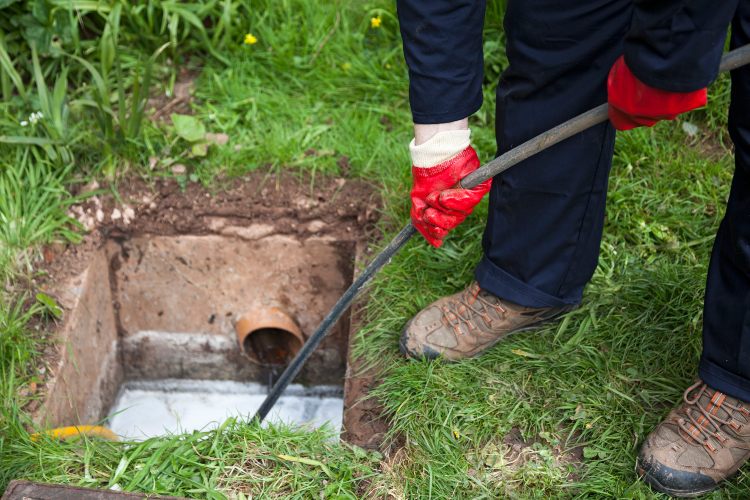
Removing grease from your drainpipes usually starts with simple, careful DIY methods and escalates to professional help if the problem is severe or persistent. For light buildup, you can pour a kettle of hot (not boiling) water down your drain, followed by a mixture of baking soda and vinegar, and then flush again with hot water to help break down softened residue. A drain snake can also loosen small, greasy clogs. You should avoid harsh chemical cleaners because they may damage older pipes or push grease deeper into your drain line. Rather, ask us about environmentally friendly products that can be used to help remedy and prevent a blocked drain. If drains remain slow, odours persist, or multiple fixtures are affected, it’s time to call a licensed plumbing professional, such as B&W Plumbers. Our team can use specialized equipment, such as mechanical augers or hydrojetting, to clean your drains, clear heavy accumulations, and restore full flow safely.
How to Prevent Grease Buildup in the Future
Preventing grease buildup in your drains starts with changing a few everyday habits in the kitchen. When you keep fats, oils, and greasy food particles out of your plumbing in the first place, you drastically reduce the risk of slow drains, odours, and clogs. With consistent, simple practices, you can protect your drainpipes, avoid messy backups, and save money on future plumbing repairs. Some essential examples of these preventive measures include the following:
- Let cooking fats and oils cool, and then scrape or pour them into a container for disposal in the garbage rather than down the sink.
- Wipe greasy pans, plates, and utensils with a paper towel before washing to remove most residue.
- Use sink strainers to catch food particles and empty them into the compost or trash.
- Run hot water briefly after washing dishes to help move any light residue along the line.
- Schedule occasional professional drain maintenance if your household does heavy cooking with oils and fats.
- Treat your kitchen sink monthly with an environmentally safe drain additive. We use them ourselves!
DIY Options vs Professional Solutions
DIY methods for grease buildup work well when the problem is mild and limited to a single sink. You can try hot water flushes, a baking soda and vinegar treatment, or a small hand auger to loosen light deposits. These options are suitable if water still drains, even if it’s slower than usual. When clogs keep coming back, multiple fixtures drain poorly, or you notice strong odours and gurgling sounds, it’s time to call a professional plumber, such as B&W Plumbing. A seasoned, licensed expert can safely clear heavy buildup, inspect your pipes, and prevent future damage.
B&W Plumbing Is Ready & Willing to Help
With B&W Plumbing, you can rest easy, knowing we’ll provide valuable insights and guidance for getting rid of grease in your drainpipes. If the problem persists or worsens in your Ottawa-area home, you can trust us to assess your grease blockage and carry out timely, conclusive plumbing solutions. Get in touch with us today for more information and to arrange service at your home.