Our Office Will Be Closed on Monday (9/1) in Observation of Labor Day
How to Prevent Your Toilet from Clogging: Simple Tips That Work
The toilets in your home are vital for daily life, so you want to ensure they’re always ready for use by family, guests, and yourself. B&W Plumbing has ample experience servicing toilets and providing answers to Ottawa, ON’s questions, like how to prevent a toilet from clogging and what can cause clogs suddenly or over time. Our extensive training and years of service to homeowners throughout the area have allowed us to gain impressive expertise in all toilet and plumbing matters. We’ll gladly advise you on toilet clog prevention tips and methods, including what to put in your toilet to prevent clogs. With our guidance, you can become well-versed in how to prevent a clogged toilet and how to recognize when a clog has started. From toilet maintenance to prevent clogs to working with professionals to resolve them, you gain peace of mind from the information on this page.
Why Toilets Keep Clogging
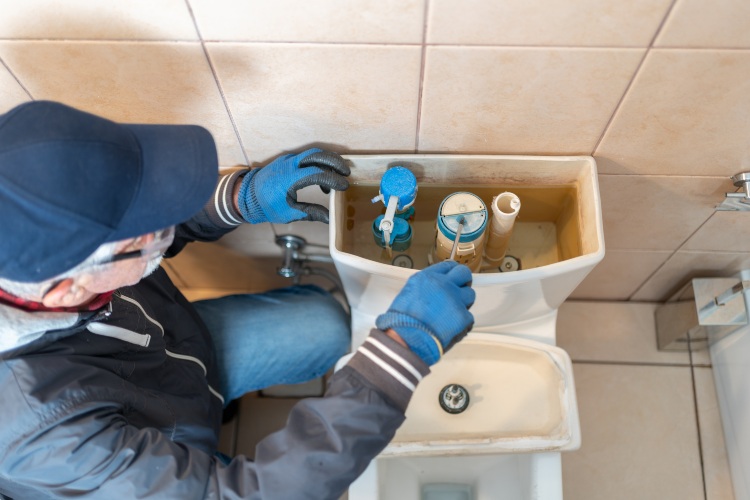
Toilets keep clogging for a few main reasons related to what goes down the bowl and how the plumbing works behind it. Flushing too much toilet paper, “flushable” wipes, hygiene products, or other non-flushable items often creates thick blockages that get stuck in the trap or drain line. Older or low‑flow toilets may not have enough flushing power to move waste and paper through the pipes, so clogs form more frequently. Mineral buildup, tree roots, or partial obstructions deeper in the sewer line can also slow drainage and make even normal use cause backups. If plunging doesn’t help or clogs keep returning, a professional inspection is usually needed to find and fix the underlying issue.
What Should Never Go Down Your Toilet
Certain items should never go down your toilet because they don’t break down like regular toilet paper and can quickly cause clogs, pipe damage, or sewer backups. “Flushable” wipes, paper towels, and facial tissues are thicker and designed to stay strong when wet, so they easily snag in bends and build up over time. Hygiene products, cotton swabs, dental floss, and diapers can swell, tangle, and block the line completely. Grease, oils, and food scraps can harden inside pipes, while cat litter, cleaning wipes, and cosmetic pads create dense, stubborn obstructions. Even small objects like hair, rubber bands, or packaging can lodge in the trap. Keeping these items and materials out of your toilet bowl protects your plumbing and helps avoid costly repairs.
Simple Tips to Prevent Toilet Clogs
To help prevent toilet clogs in your Ottawa-area home, it pays to build a few simple habits into your daily routine. B&W Plumbing recommends using your toilet thoughtfully and keeping an eye out for early warning signs, so you can avoid inconvenient, messy, and costly blockages before they start. The following tips to prevent toilet clogs will help you keep your toilet performing reliably:
- Flush only human waste and toilet paper, and use modest amounts of paper each time to avoid overloading the drain.
- Keep a small bin beside the toilet for wipes, hygiene products, and other non-flushable items.
- Remind children and guests not to flush toys, packaging, or “just this once” items.
- Check for slow flushing or rising water levels, and address them early with a plunger or professional help if they persist.
Early Warning Signs of a Clog
Spotting early warning signs of a toilet clog gives you a chance to act before you deal with an overflow or a full blockage. Paying attention to small changes in how your toilet flushes can help you clear simple obstructions quickly or call for help before damage occurs, saving time, money, and stress. Below, we’ve outlined some early warning signs to watch for:
- Water rises higher than normal in the bowl before slowly draining away after a flush.
- The flush feels weak or incomplete, leaving waste or paper behind more often.
- Gurgling sounds come from the toilet or nearby drains when you flush.
- You notice a frequent need for plunging, even with normal use and modest amounts of toilet paper.
What to Do if Your Toilet Starts Clogging
If your toilet starts clogging, you must stay calm and avoid repeated flushing that could cause an overflow. Try using a plunger with a good seal to clear simple blockages. Give the plunger several steady pushes before checking the water level. If you have a household auger, you can gently feed it into the bowl to reach deeper obstructions. Pay attention to patterns because clogs that return quickly, affect multiple toilets, or come with gurgling drains or sewage smells usually point to a bigger issue in the line. In those cases, it’s safer to call a licensed plumber like B&W Plumbing to diagnose the cause, clear the blockage properly, and protect your home against further damage.
Preventative Maintenance Tips
Regular preventative maintenance is one of the easiest ways to keep your toilet running reliably and avoid stressful clogs. Start by being strict about what goes into the bowl. You should only flush human waste and septic‑safe toilet paper. Periodically check the tank components to ensure the flapper, fill valve, and handle move smoothly, and the water level is set correctly for a strong flush. Gently clean mineral buildup around the rim jets to allow water to flow freely. Watch for slow draining, weak flushes, or frequent plunging, and address them early rather than ignoring them. Without these simple habits, small restrictions can turn into full blockages, messy overflows, water damage, and emergency plumbing visits that cost significantly more than regular care.
When Do I Need to Call a Plumber?
You should call a plumbing professional like B&W Plumbing for a clogged toilet anytime basic steps stop working, or the problem keeps coming back. If plunging and a household auger don’t clear the blockage, or the toilet clogs again soon after, expert help is necessary. You should also contact a plumber if multiple fixtures back up, water overflows onto your bathroom floor, or you notice sewage odours or gurgling from other drains. Additionally, professional help is absolutely necessary when you suspect a toy, foreign object, or deeper sewer line issue that requires specialized tools and safe, thorough cleaning.
Reach Out to B&W Plumbing Today for Service
Don’t hesitate to trust B&W Plumbing whenever you have a clogged toilet in Ottawa and the surrounding areas, including the west end. Our team is ready to respond to your service request and provide careful assessment and timely, thorough solutions, no matter the cause of your toilet clog. Get in touch with us today to learn more and arrange plumbing solutions at your home.