Our Office Will Be Closed on Monday (9/1) in Observation of Labor Day
How to Protect Your Basement from Flooding in Spring
When winter loosens its grip, many homeowners look forward to warmer temperatures and melting snow. Unfortunately, spring also brings one of the busiest seasons for plumbing emergencies. B&W Plumbing often hears from clients dealing with wet carpets, damaged drywall, and standing water after heavy rain or rapid snowmelt. Basement flooding in spring in Ottawa and surrounding areas is common due to fluctuating temperatures, frozen ground, and overwhelmed drainage systems. Learning how to prevent basement flooding in spring can help you avoid property damage, mould growth, and stress during the wettest months of the year.
Why Spring Is a High-Risk Season for Basement Flooding
Spring creates conditions that increase the risk of water entering your basement. Snow and ice begin melting while the ground may still be partially frozen, making it harder for water to absorb into the soil. Instead, excess water pools around foundations and seeps through cracks, window wells, and drainage systems.
Ottawa also experiences spring rainstorms that can overwhelm sewer systems and residential sump pumps. If your basement floods every spring, the issue usually points to an underlying drainage or waterproofing problem that should be addressed before damage worsens. These factors often combine during the season:
- Rapid snowmelt saturates the soil around your home.
- Heavy rainfall increases hydrostatic pressure against basement walls.
- Blocked or damaged weeping tiles prevent proper drainage.
- Frozen or clogged downspouts force water toward the foundation.
- Sump pump failures leave basements vulnerable during storms.
Common Causes of Basement Flooding in Spring
Many homeowners assume flooding only occurs during major storms, but smaller issues can lead to serious water intrusion over time. Understanding the source of the problem is an important part of basement flooding prevention.
Foundation cracks are one of the most common entry points for water. As soil expands and contracts during freeze-thaw cycles, pressure builds around the foundation. Even hairline cracks can allow moisture to seep into the basement.
Poor grading around the property can also contribute to flooding. If the ground slopes toward the home instead of away from it, melting snow and rainwater naturally collect near the foundation. Other common causes include:
- Clogged eavestroughs and downspouts
- Failing sump pumps or missing battery backups
- Blocked sewer lines or sewer backups
- Improperly sealed basement windows
- Damaged or aging weeping tile systems
Warning Signs Your Basement Is at Risk of Flooding
A musty smell in the basement is usually one of the first clues that excess moisture is present. You may also notice peeling paint, damp walls, or white mineral deposits on concrete surfaces. Some warning signs are more obvious than others:
- Water stains near the floor or along basement walls
- Pooling water near floor drains
- Cracks in foundation walls or flooring
- Persistent condensation on basement windows
- Sump pump cycling too frequently
- Slow drainage in basement fixtures
How to Protect Your Basement from Spring Flooding
Homeowners often ask us how to protect a basement from flooding before spring storms arrive. The best approach is a combination of drainage maintenance, plumbing inspections, and preventative upgrades.
Start by inspecting your gutters and downspouts as soon as temperatures rise. Clear away leaves, debris, and ice buildup so water can flow freely away from your home. Downspouts should discharge several feet from the foundation.
Your sump pump should also be tested before spring rainfall begins. Pour water into the sump pit to make sure the pump activates properly. If your area experiences frequent outages during storms, installing a battery backup can provide extra protection.
Knowing how to prevent basement flooding involves ongoing maintenance. Preventative measures can make a significant difference:
- Extend downspouts away from the foundation.
- Seal visible foundation cracks promptly.
- Install a backwater valve to reduce sewer backup risks.
- Keep window wells clear of debris and snow.
- Grade landscaping away from the home.
- Schedule regular plumbing and drainage inspections.
What to Do if Your Basement Floods
If flooding occurs, safety should always come first. Avoid entering standing water until electricity to the affected area has been shut off. Water near outlets or appliances can create serious hazards. Once the area is safe, contact a professional plumber or restoration company as quickly as possible. While waiting for assistance, you can begin a few initial steps if conditions are safe:
- Remove valuable belongings from wet areas.
- Use towels or pumps to remove standing water.
- Open windows for ventilation if weather permits.
- Avoid using electrical appliances in damp areas.
- Document damage for insurance purposes.
Long-Term Basement Flood Prevention Tips
Long-term basement flooding prevention focuses on keeping water away from the foundation and ensuring drainage systems function properly year-round. Annual plumbing inspections can identify developing problems before they lead to flooding. Sump pumps, sewer lines, and drainage systems all require periodic maintenance to operate effectively.
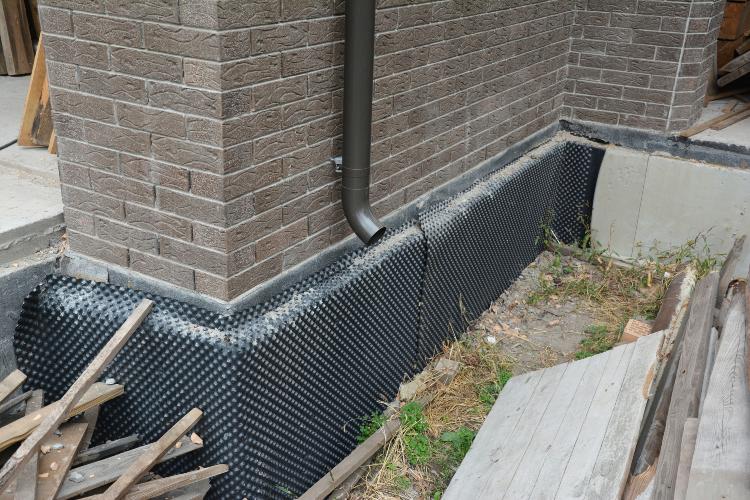
Waterproofing upgrades may also be worthwhile for homes with recurring issues. Interior drainage systems, exterior waterproof membranes, and improved weeping tiles can provide stronger protection against seasonal flooding.
For homeowners wondering how to prevent basement flooding in spring permanently, the answer usually involves addressing multiple vulnerabilities. Long-term prevention strategies include:
- Replacing aging sump pumps before failure occurs
- Installing battery backups or secondary pumps
- Repairing foundation cracks professionally
- Improving exterior grading and drainage
- Scheduling sewer line inspections with camera equipment
- Maintaining gutters and downspouts throughout the year
Frequently Asked Questions
Ottawa experiences rapid snowmelt, frozen ground, and heavy spring rain, which can overwhelm drainage systems and increase pressure around foundations.
A sump pump helps remove excess water, but it works best when combined with proper grading, clear drainage systems, and regular maintenance.
Recurring flooding usually indicates a larger drainage or waterproofing issue. A professional inspection can determine whether the problem involves foundation cracks, sewer lines, or exterior drainage.
We recommend testing your sump pump every spring and scheduling professional maintenance regularly to ensure reliable operation during storms.
Coverage varies by policy. Some policies include sewer backup or overland flooding protection, while others require additional coverage. It is best to review your insurance details before spring weather arrives.
Protect Your Basement from Flooding Today
Spring flooding can happen quickly, but proactive maintenance can protect your home. At B&W Plumbing, we inspect drainage systems, repair plumbing issues, and reduce the risk of basement flooding before severe weather arrives. Contact us today to schedule an inspection or learn more about protecting your basement this spring.