Our Office Will Be Closed on Monday (9/1) in Observation of Labor Day
What Causes PVC Pipes to Crack Over Time
PVC piping is a standard material in many residential plumbing and drainage systems because it is lightweight, affordable, and resistant to corrosion. Even so, no piping material lasts forever. Changing temperatures and seasonal ground movement can put extra stress on plumbing systems over time. A cracked PVC pipe may start as a small issue hidden behind a wall or beneath the floor, but the damage can spread quickly if left unchecked.
At B&W Plumbing, we can identify damaged piping before leaks become more extensive repairs, and we can help you learn what causes PVC pipe to crack in Ottawa so you can prevent expensive plumbing emergencies and avoid water damage.
Why PVC Pipes Crack Despite Being Durable
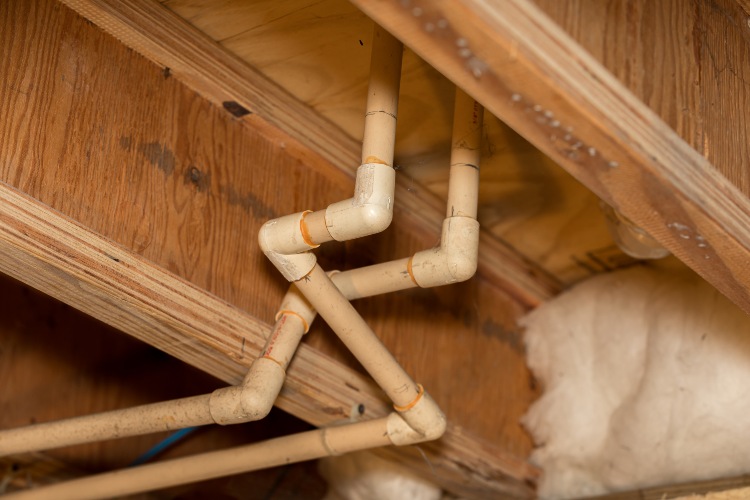
PVC pipes are known for durability, but they are not indestructible. The material is designed to withstand water pressure and regular household use, yet environmental conditions and age can gradually weaken the pipe’s structure. This process may happen slowly, but repeated exposure to pressure changes, shifting soil, and fluctuating temperatures eventually increases the likelihood of cracking. Pipes installed improperly can also develop weak points that fail sooner than expected.
In colder regions like Ottawa, winter conditions are a major factor. While PVC can tolerate low temperatures to a degree, extreme cold reduces its flexibility and makes it more vulnerable to stress fractures.
How PVC Pipes Are Designed to Work
PVC plumbing systems are built to transport water and waste efficiently while resisting rust and chemical corrosion. Unlike metal piping, PVC does not corrode internally, which helps maintain consistent water flow over the years.
The pipe walls are engineered to handle pressure from moving water while remaining lightweight enough for easier installation. Joints are connected with specialized cement that chemically bonds sections together, creating a watertight seal.
Although PVC performs well under normal conditions, it still has operational limits. Excessive pressure, repeated movement, or improper installation can shorten the lifespan of the system. Drainage pipes buried underground may also be subject to stress from soil settlement, tree roots, or heavy loads above the pipe.
Common Causes of PVC Pipes Cracking Over Time
Some cracked pipe problems originate during installation, while others develop years later through wear and environmental exposure. Temperature extremes are one of the most common causes. Water trapped inside a pipe can freeze during winter, expand, and create enough pressure to split the pipe wall. Even pipes that do not burst immediately may become weakened and crack later. Prolonged exposure to extremely high temperatures can also soften the material and strain pipe joints, and repeated thermal expansion and contraction may eventually contribute to leaks or fractures. Other factors may also cause cracking over time:
- Ground movement around buried pipes
- Improper pipe support during installation
- Heavy impact or physical stress
- Aging materials becoming brittle
- Clogs that create excessive internal pressure
- Tree root intrusion near underground drainage systems
Warning Signs That PVC Pipes Are Starting to Crack
Homeowners who catch issues early can sometimes avoid extensive water damage and plumbing repairs. One of the first indicators is unexplained moisture. Damp drywall, soft flooring, or water stains may point to a hidden crack behind walls or ceilings. In some homes, a musty smell develops before visible leaks appear. Cracked pipes can also affect drainage performance. You may notice recurring clogs, slow drains, or unusual gurgling sounds coming from sinks and tubs. Some additional warning signs include:
- Unexpected increases in water bills
- Pooling water around basement floors
- Visible pipe discoloration or warping
- Wet patches in the yard above underground lines
- Mould growth near plumbing areas
- Reduced water pressure in fixtures
Problems Caused by Cracked PVC Pipes
A cracked PVC pipe can create much larger problems than many homeowners expect. Even a small leak can damage insulation, drywall, flooring, and wooden framing materials. Moisture trapped behind walls also creates ideal conditions for mould growth.
Underground drainage pipes present another challenge. Cracks below the surface may allow surrounding soil to enter the pipe, eventually causing blockages or drainage backups. In severe cases, sections of pipe can collapse entirely.
Fixing a crack in PVC pipe early is usually far less expensive than dealing with widespread water damage after the pipe fails. Ignoring damaged pipes can lead to:
- Sewer odours entering the home
- Flooding or water pooling indoors
- Landscape erosion above buried lines
- Higher water usage and utility costs
- Recurring drainage problems
- Costly emergency plumbing repairs
How to Prevent PVC Pipes from Cracking
While some aging is unavoidable, homeowners can reduce stress on PVC pipes through proper care and regular inspections. During winter, exposed pipes in colder areas should be insulated to prevent freezing. Pipes running through garages, crawl spaces, or exterior walls are especially vulnerable during Ottawa cold snaps. Drainage maintenance also matters. Avoid pouring grease, food waste, or harsh chemicals down drains whenever possible. These preventative measures can significantly reduce the risk of cracking:
- Insulate vulnerable pipes before winter.
- Address small leaks promptly.
- Avoid repeated exposure to boiling water.
- Schedule inspections for older plumbing systems.
- Maintain proper drainage around the property.
- Repair shifting soil or landscape grading issues.
When to Repair vs. Replace Cracked PVC Pipes
In some situations, fixing a crack in PVC pipe with a localized repair may be sufficient. Small surface cracks or isolated joint leaks can sometimes be repaired using couplings, epoxy solutions, or section replacements. However, widespread damage usually indicates a larger issue. Older pipes that have become brittle throughout may continue developing cracks even after repairs are completed. Replacement may be the better option when:
- Multiple cracks appear in different sections
- Pipes show signs of aging and brittleness
- Underground lines repeatedly collapse or clog
- Leaks continue after previous repairs
- Water damage has already become extensive
Frequently Asked Questions
Cold temperatures, freezing water, ground movement, and aging materials are among the most common causes of PVC pipe cracking.
Yes. Water expands as it freezes, creating pressure that can split or weaken PVC piping.
Extreme cold can make PVC more brittle and vulnerable to stress fractures, especially in older systems.
Occasional exposure to hot water is usually not a problem, but repeated exposure to boiling water may weaken the pipe over time.
Small isolated cracks can be repaired, but widespread damage or aging pipes may require replacement.
Contact B&W Plumbing for Cracked Pipe Repairs
If you suspect there is a cracked PVC pipe in your home, B&W Plumbing can inspect the issue and recommend the appropriate repair or replacement. Contact us to schedule plumbing service in Ottawa and the surrounding areas and protect your home from leaks and water damage.