Our Office Will Be Closed on Monday (9/1) in Observation of Labor Day
How to Deal with Emergency Plumbing Issues
A burst pipe at midnight, a flooded basement during a storm, or a sewer backup before guests arrive can quickly turn into a stressful situation. Knowing how to react in those first few minutes can help prevent costly water damage. B&W Plumbing helps homeowners manage emergency plumbing issues in Ottawa and surrounding areas, and we know that fast, informed action can limit repairs and protect your property. Knowing what to do in a plumbing emergency gives you a better chance of controlling the situation until professional help arrives.
Why Fast Action Matters in a Plumbing Emergency
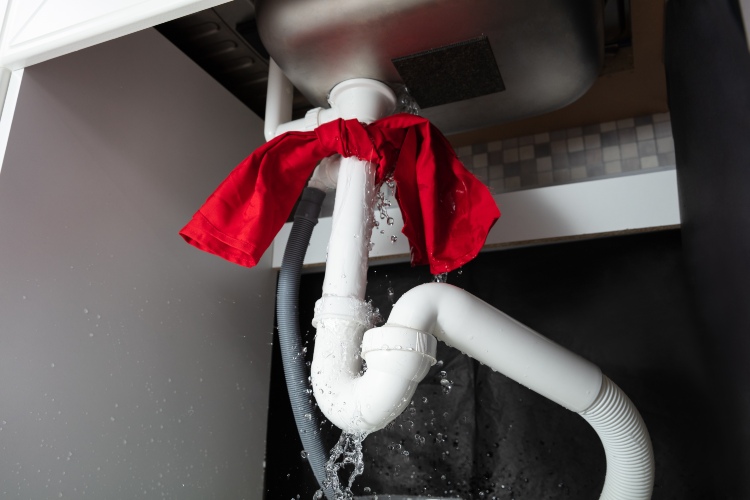
Water can spread quickly through flooring, drywall, cabinetry, and insulation. Even a slow leak can cause significant structural damage if it continues for hours. In colder months, frozen pipes are another serious concern in Ottawa because they can crack and release large amounts of water once thawed. Quick action can:
- Reduce water damage
- Prevent mould growth
- Protect electrical systems
- Lower repair costs
What Is Considered an Emergency Plumbing Issue?
Not every plumbing problem needs immediate service, but some situations should never wait until the next day. If water damage, health risks, or a complete loss of plumbing function are involved, it is usually considered an emergency. Here are some situations where homeowners ask who to call for plumbing emergency service:
- Burst or frozen pipes
- Sewage backups
- Overflowing toilets that will not stop
- No running water
- Major leaks around water heaters
- Flooding near plumbing fixtures
- Gas line concerns
Common Emergency Plumbing Issues You May Face
Some plumbing emergencies are more common than others, especially during seasonal weather changes in Ottawa. Older plumbing systems can also increase the risk of sudden failures. Some issues appear repeatedly during emergency calls:
- Burst pipes during winter freezes
- Clogged sewer lines causing backups
- Water heater leaks or failures
- Overflowing sinks or toilets
- Broken sump pumps during heavy rainfall
- Blocked drains affecting multiple fixtures
A sewer backup is one of the most unpleasant emergency plumbing issues homeowners experience. Warning signs may include foul odours, slow drains throughout the home, or water backing up into tubs or floor drains. Sump pump failures are another concern during spring storms. Without a working sump pump, basements can flood quickly, causing expensive property damage.
What to Do Immediately During a Plumbing Emergency
The first few minutes matter most during a plumbing emergency, and there are immediate steps every homeowner should know. Keeping these in mind can make emergencies easier to manage:
- Shut off the main water supply if a pipe bursts or severe leak occurs.
- Turn off the water heater if you suspect damage or leaking.
- Avoid using sinks, toilets, or appliances connected to blocked drains.
- Move valuables and furniture away from standing water.
- Use towels or buckets to contain smaller leaks.
- Call a licensed plumber as soon as possible.
It’s also helpful to keep a plumbing emergency kit somewhere accessible. A basic kit may include towels, gloves, a flashlight, buckets, pipe tape, bottled water, and the phone number of a trusted plumber. Having these supplies ready saves valuable time when emergency plumbing problems happen unexpectedly.
What NOT to Do During an Emergency Plumbing Issue
During stressful situations, homeowners sometimes make repairs that accidentally worsen the problem. Temporary fixes are helpful only if they are done safely and correctly. Avoid these common mistakes during plumbing emergencies:
- Do not pour chemical drain cleaners into blocked pipes.
- Do not ignore small leaks that are actively spreading.
- Do not use plumbing fixtures connected to sewage backups.
- Do not attempt pipe repairs without proper tools.
- Do not delay calling for assistance if water damage is increasing.
If you are unsure what to do in a plumbing emergency, focus on shutting off water, limiting damage, and contacting a professional rather than attempting repairs yourself.
How to Minimize Damage While Waiting for the Plumber
Even after emergency service has been called, there are ways to reduce damage before help arrives. Small steps taken early can prevent larger restoration costs later:
- Open windows to improve airflow if water has soaked carpets or drywall.
- Use fans to dry affected areas when safe.
- Place containers under active leaks.
- Take photos of damage for insurance purposes.
- Keep children and pets away from contaminated water.
How to Prevent Future Plumbing Emergencies
While some plumbing emergencies are unavoidable, regular maintenance greatly reduces the risk of failures. Small plumbing problems are usually easier and cheaper to repair before they become emergencies. Routine inspections are especially important for older homes in Ottawa, where aging pipes may already show signs of wear. Preventive maintenance includes:
- Inspecting pipes for corrosion or leaks
- Cleaning drains regularly
- Testing sump pumps before heavy rain seasons
- Insulating exposed pipes during winter
- Scheduling water heater maintenance
- Avoiding grease and debris buildup in drains
Knowing the location of your main water shutoff valve is equally important. Every adult in the home should understand how to turn the water off quickly during emergency plumbing issues.
Frequently Asked Questions
The first step is usually shutting off the main water supply to prevent further flooding or damage. After that, contact a licensed plumber immediately.
Contact our experienced emergency plumbing company. We provide fast response times and licensed technicians familiar with Ottawa plumbing systems.
Call an emergency plumber when water damage is spreading, sewage is backing up, pipes have burst, or you lose access to essential plumbing fixtures.
It is better to avoid chemical drain cleaners because they may damage pipes and create safety risks during repairs.
A plumbing emergency kit should include towels, buckets, gloves, flashlights, pipe tape, bottled water, and emergency contact information for your plumber.
Call Now for Emergency Plumbing Help
Plumbing emergencies can escalate quickly, but you don’t have to handle them alone. At B&W Plumbing, our team provides reliable emergency plumbing support throughout Ottawa. Whether you are dealing with burst pipes, flooding, sewer backups, or other urgent plumbing problems, we are ready to restore your home. Contact us whenever you need fast, professional plumbing service.