Our Office Will Be Closed on Monday (9/1) in Observation of Labor Day
What Causes a Water Pipe to Burst and How to Prevent It
A burst pipe can turn into a household emergency within minutes, especially during Ottawa’s colder months. At B&W Plumbing, we help homeowners deal with frozen pipes, sudden leaks, and water damage caused by aging or stressed plumbing systems.
Most pipe failures develop gradually, and while winter weather is a leading factor, pipes can fail at any time of year if underlying issues go unnoticed. Pressure builds, corrosion weakens the material, or water freezes and expands until the pipe can no longer hold together. Understanding why this happens can help you avoid expensive repairs and protect your property before a plumbing emergency occurs.
Why Burst Water Pipes Are a Serious Problem
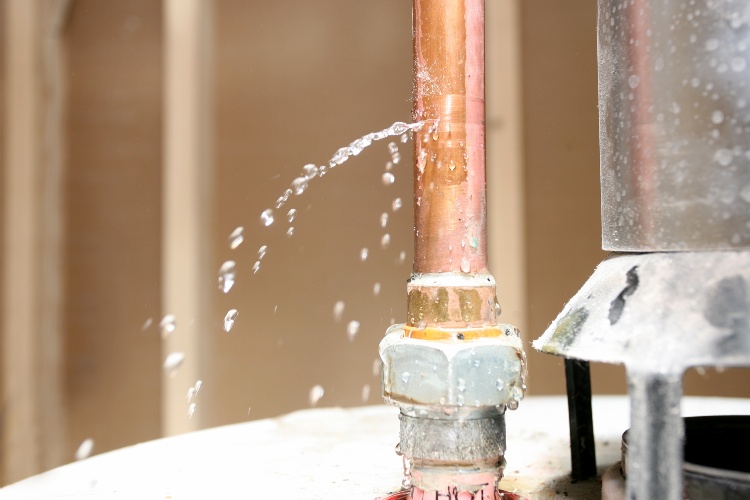
Even a small crack can release hundreds of litres of water into walls, ceilings, flooring, and insulation in a short period of time. The longer the leak continues, the more severe the damage becomes, and water damage often spreads beyond the original pipe location. Moisture can weaken drywall, rot wooden framing, damage electrical systems, and create conditions that allow mould to grow. In colder weather, frozen water lines may leave a household without access to running water.
The financial impact can be significant. Emergency plumbing repairs, restoration work, and replacing damaged belongings usually costs far more than preventative maintenance. Some homeowners also discover that neglected plumbing issues may affect insurance claims.
What Causes a Water Pipe to Burst?
Freezing temperatures are one of the most common causes of burst pipes. Water expands as it freezes, and when water inside a pipe turns to ice, pressure increases rapidly. Eventually, the pipe cracks or bursts under the strain. Some situations increase the likelihood of freezing:
- Poor insulation around exposed pipes
- Unheated basements, garages, or crawl spaces
- Outdoor hose bibs left connected during winter
- Sudden drops in outdoor temperature
Another issue involves aging plumbing materials. Older metal pipes can corrode from the inside, thinning the walls until they become vulnerable to splitting or leaking. Corrosion may also restrict water flow and increase internal pressure.
High water pressure can also place stress on plumbing joints and fittings. While strong water pressure may seem convenient, excessive pressure slowly weakens pipes and connections over time.
Tree root intrusion is another hidden problem. Roots naturally seek moisture and can force their way into small cracks, damaging the pipe structure.
Warning Signs a Water Pipe May Burst Soon
Pipe failures may provide warning signs before a full rupture occurs, and paying attention to changes around your home can help you act early. Certain symptoms are easy to dismiss at first, especially if they appear gradually. A small leak or pressure fluctuation may not seem urgent until the pipe finally gives way. Watch for these common indicators:
- Reduced water pressure
- Discoloured or rusty water
- Unusual banging or rattling sounds in pipes
- Damp spots on walls or ceilings
- Unexpected increases in water bills
- Frost visible on exposed pipes
- Musty smells near plumbing areas
- Cracks in walls near plumbing lines
How to Prevent a Water Pipe from Bursting
Preventing a burst pipe involves reducing stress on your plumbing system and protecting vulnerable areas before temperatures change. Simple maintenance habits can make a big difference, as many pipe emergencies occur because small preventative steps were overlooked.
Insulation is particularly important in Ottawa homes where prolonged freezing temperatures are common. Pipes running along exterior walls or through unheated spaces are often the first to freeze. Professional inspections can also identify early signs of corrosion, pressure issues, or hidden leaks that homeowners may not notice.
A few practical measures to prevent water pipes from bursting include the following:
- Insulate exposed pipes in basements, garages, and crawl spaces.
- Disconnect outdoor hoses before winter.
- Keep indoor temperatures consistent during cold weather.
- Allow faucets to drip slightly during extreme cold spells.
- Seal gaps where cold air enters near plumbing lines.
- Schedule regular plumbing inspections.
- Replace aging or corroded pipes.
- Know where your main water shutoff valve is located.
What to Do Immediately if a Water Pipe Bursts
Quick action can reduce damage when a pipe bursts. The first priority is stopping the water supply. Every homeowner should know the location of the main shutoff valve. If a pipe bursts, take these immediate steps:
- Turn off the main water supply.
- Shut off electricity to affected areas if water is near outlets.
- Drain remaining water by opening faucets.
- Move valuables away from standing water.
- Use towels or buckets to contain minor flooding.
- Contact an emergency plumber right away.
- Document visible damage for insurance purposes.
Frequently Asked Questions
Pipes usually burst when internal pressure becomes too high. Frozen water expansion, corrosion, clogs, or excessive water pressure can weaken pipes until they crack or split.
Winter pipe bursts are typically caused by frozen water inside plumbing lines. As ice expands, pressure builds and forces the pipe to rupture.
Yes. Summer pipe failures can result from corrosion, shifting ground, root intrusion, or increased water demand, which can stress older plumbing systems.
Pipes become especially vulnerable when temperatures remain below -6°C for several hours, particularly in uninsulated areas.
A burst pipe releases water rapidly into surrounding areas, which can damage flooring, walls, insulation, electrical systems, and personal belongings.
Contact Us Today for Pipe Repair and Prevention
If you suspect a frozen pipe, notice warning signs, or need help preventing future issues, B&W Plumbing serves homeowners across Ottawa and surrounding areas with reliable inspections, repairs, and emergency plumbing services. Contact our team today to protect your home.