
Our Office Will Be Closed on Monday (9/1) in Observation of Labor Day
How Does a Sump Pump Work? A Complete Guide for Homeowners
When rain falls in Ottawa, ON, questions like “How does a sump pump work?” come to people’s minds as water soaks into the soil surrounding their homes. B&W Plumbing has worked with countless residents throughout the area as they battle water intrusion in their basements. A sump pump is a reliable solution to groundwater, pumping it out of the well in your basement and channelling it to a safe distance from your house or building. On this page, we’ve provided a wealth of helpful facts and insights about sump pumps, answering questions like “What does a sump pump do” and “What is a sump pump’s purpose?” With this information, you can gain peace of mind, knowing your sump pump will keep your structure dry and safe.
What Is a Sump Pump?
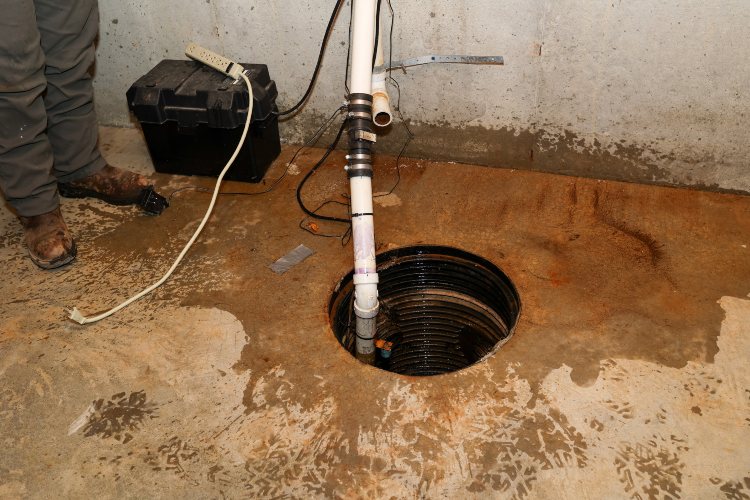
A sump pump is a device installed in a pit, usually in a basement or crawl space, that mechanically removes excess water collecting around a building’s foundation. It activates when water rises to a certain level and a float is tripped, pumping it safely away from the structure. By keeping this water under control, sump pumps are essential for protecting homes and businesses against flooding, foundation damage, mould growth, and costly repairs. This equipment is especially vital in areas with high water tables, heavy rain, or frequent snowmelt.
How Does a Sump Pump Work?
A sump pump sits in a pit at the lowest point of your basement or crawl space and turns on when rising groundwater fills the basin. A float or pressure switch senses the water level and activates the motor, which spins an impeller to create suction. Water is drawn into the pump, pressurized, and pushed up through a discharge pipe that routes it safely away from your structure’s foundation. A check valve keeps pumped water from flowing back into the pit. This cycle repeats automatically, helping keep the area dry and reducing the risk of flooding and structural damage.
Key Components of a Sump Pump System
A sump pump system relies on several components working together to move water away from your home safely. Understanding these parts helps you spot problems early and keep your system ready for heavy rain or melting snow. Below are descriptions of a sump pump system’s essential components:
- Sump Basin – A pit or liner installed at the lowest point where groundwater and seepage collect.
- Pump Unit – The motor and impeller that draw water in and push it out under pressure.
- Float or Pressure Switch – The control that senses rising water and automatically turns the pump on and off.
- Discharge Pipe – The piping that carries pumped water away from the foundation to a safe drainage area.
- Check Valve – A one-way valve that prevents discharged water from flowing back into the sump pit.
Types of Sump Pumps
Different types of sump pumps are designed for various installation needs and risk levels. A submersible sump pump sits fully inside the basin, underwater, offering quiet operation and strong performance for frequently wet basements. A pedestal pump has a motor mounted above the pit on a stand, making it easier to service but noisier and more exposed. Water-powered backup pumps use municipal water pressure to move sump water during power outages, while battery backup units pair with a primary pump to keep pumping when electricity fails. Together, these options let homeowners match the chosen pump type to their flooding risk, space, and maintenance preferences.
When Does a Sump Pump Turn On?
A sump pump turns on when rising water in the sump basin lifts a float or triggers a pressure switch to a preset level, signaling that the pit is full enough to pump. As the switch activates, the motor starts, and the pump moves water out through the discharge line, directing it safely away from your foundation. The pump continues running until the water level drops back down below the shutoff point, at which time the float or sensor resets, and the unit turns off automatically. This process makes it ready for the next surge of groundwater or seepage.
Benefits of Installing a Sump Pump
Ottawa’s heavy snowmelt, sudden thaws, and intense rainstorms make basement flooding a genuine concern, especially in older neighbourhoods with higher water tables. A properly installed sump pump helps keep that excess groundwater under control. B&W Plumbing can size, install, test, and maintain your system so that it’s ready to run reliably whenever the weather turns wet or unpredictable. Some compelling benefits of installing a sump pump include the following:
- Reduces basement flooding risk during spring thaw, heavy rain, and rapid freeze‑thaw cycles common in Ottawa.
- Helps prevent foundation cracks, shifting, and long‑term structural damage caused by constant hydrostatic pressure.
- Limits mould and mildew growth by keeping basements drier and improving overall indoor air quality.
- Protects finished basements, storage, and mechanical equipment from costly water damage and insurance claims.
Common Problems with Sump Pumps
Sump pumps can develop several common issues that reduce their ability to protect your home. A stuck or obstructed float switch may prevent the pump from turning on, while debris in the basin or impeller can block water flow. Power failures, tripped breakers, or a failed motor leave the pump silent during storms. Discharge lines can freeze, clog, or develop leaks, sending water back toward your foundation. An undersized or worn-out pump may run constantly and still not keep up. You can check power, clear visible debris, and test the float, but if problems continue, or the pump will not run reliably, it’s wise to call a professional plumber to inspect, repair, or replace the system.
Maintenance Tips for Sump Pumps
Regular sump pump maintenance is one of the simplest ways to protect your basement and get the longest, most reliable performance from your equipment. Testing the pump every few months by pouring water into the pit ensures the float switch and motor still respond properly. Keep the sump basin clear of dirt, gravel, and debris that could jam the impeller or block the intake. Check the discharge line outside to confirm it is unobstructed, sloped correctly, and not frozen or damaged. Inspect the power supply, including the breaker and any backup battery, and replace batteries according to manufacturer guidelines. With these habits, your sump pump is far more likely to start instantly when you need it most and continue working for years.
When Should I Call a Professional?
You should call a professional for sump pump help any time the job goes beyond simple cleaning or testing. Installing a new pump, replacing an old unit, or adding a backup system are best handled by an expert to ensure correct sizing, wiring, and drainage. You should also seek professional service if the pump fails to turn on, runs constantly, or makes unusual noises. Another situation for professionals is if the pit overflows during storms. These issues aren’t DIY projects because they may involve electrical faults, damaged components, or incorrectly designed discharge piping that require trained diagnosis and repair.
Let B&W Plumbing Help With Your Sump Pump
Highly skilled, friendly sump pump service is easily available throughout Ottawa and surrounding areas when you contact B&W Plumbing. Our team has the training and experience to install and repair virtually any sump pump, ensuring your home stays safe and dry whenever a storm or snowmelt saturates the soil around your foundation. Get in touch with us today for more information and to start your service experience.