Our Office Will Be Closed on Monday (9/1) in Observation of Labor Day
A Complete Guide to Different Types of Water Shut‑Off Valves
Do you know what a water shut-off valve is, where to find them around your home, or why these valves are important? B&W Plumbing understands the confusion that Ottawa, ON-area residents have about types of water shut-off valves and gladly explains all the essential details about these crucial plumbing components. You’ll find different types of shut-off valves in various areas around your home or building, and knowing how and when to use them can save you time, money, and stress during certain plumbing situations. Our team has served Ottawa and the surrounding areas for years, including the west end, and we value the trust our customers place in us. We honour that trust by providing helpful insights and outstanding plumbing services to keep their households running safely and reliably. This page contains ample information about various types of residential water shut-off valves for your benefit and peace of mind.
What is a Water Shut-Off Valve?
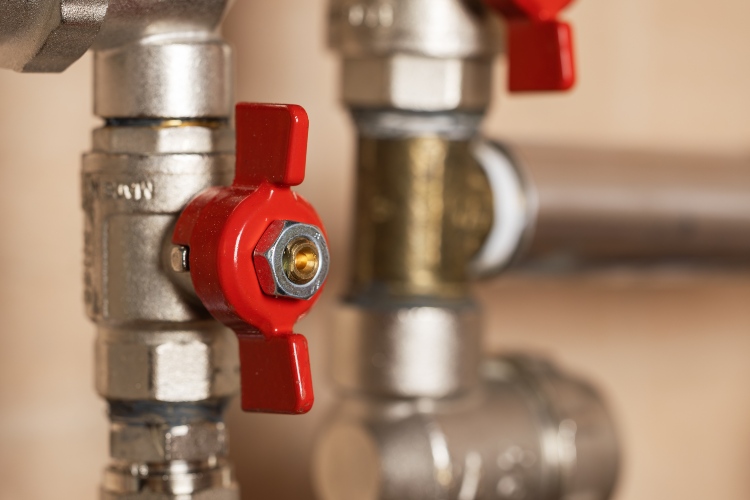
A water shut-off valve is a mechanical device that controls the flow of water through a pipe, allowing you to stop or restore your water supply as needed. This plumbing component typically includes a body, an internal gate or ball that blocks or opens the passage, and a handle or lever that you turn to change its position. Main shut-off valves control water to the entire home, while smaller fixture shut-offs sit around and control various fixtures, such as certain types of toilet water shut-off valves. You can also find them near appliances to isolate individual lines. Knowing where these valves are and how they work lets you quickly stop leaks, perform repairs, and protect your home against water damage.
Why You Should Know Different Types of Shut-Off Valves
Knowing the different types of water shut-off valves for water pipes running through your home or building is essential for protecting your property and responding quickly to problems. Each valve serves a specific purpose, with a main shut-off to cut water to the entire building and fixture-level valves under sinks, behind toilets, and at appliances to let you isolate just one line during a leak or repair. You might use them during burst pipes, overflowing toilets, or when replacing a faucet. If you don’t know where these valves are or how they work, even a small leak can turn into major water damage, higher repair costs, and unnecessary stress while you wait for emergency help.
Common Types of Water Shut-Off Valves
Common water shut-off valves are tucked into different corners of your home or building, and understanding each one can make future plumbing situations far less stressful. B&W Plumbing encourages homeowners to get familiar with these valves now, rather than during an emergency. When you know what each type does and where it’s located, you can act quickly to control leaks, protect your property, and make professional repairs more quickly and smoothly. Below, we’ve described several common types of water shut-off valves:
- Main Shut-Off Valve – Usually located near where the water line enters the building, this valve turns off water to your entire home for major leaks or repairs.
- Ball Valve – A lever‑handled valve that turns a quarter‑turn, commonly used on main lines and newer installations for quick, reliable shut‑offs.
- Gate Valve – An older style with a round handle you turn multiple times, gradually opening or closing the flow, often found on main supply lines.
- Angle Stop Valve – Small shut‑offs under sinks or behind toilets that let you isolate water to a single fixture during minor leaks or replacements.
- Straight Stop Valve – Similar to an angle stop but installed in a straight line on supply pipes for faucets, toilets, or appliances.
Where Are Shut-Off Valves Located?
Water shut-off valves are placed at vital points where water enters and branches through your home or building. The main shut-off is usually near the water meter, foundation wall, or where the service line comes through your basement or utility room. These valves are important and typically found towards the front of the home. You may also find one in an exterior meter box. Smaller fixture shut-offs sit under bathroom and kitchen sinks, behind or beside toilets, and near washing machines or dishwashers. Outdoor hose bibs often have interior shut-offs on the line leading to them. In multi-unit buildings, you may see additional valves in mechanical rooms, ceiling access panels, or service closets that control specific suites or zones.
How to Choose the Right Shut-Off Valve
Choosing the right water shut-off valve depends on the scale and location of the plumbing issue. For small fixture repairs or replacements, such as a dripping faucet or running toilet, the built‑in angle or straight stop valve at the supply line is usually enough because it isolates just that fixture. For localized leaks in a single room, you may rely on nearby branch line valves if they exist. In urgent situations like flooding, burst pipes, or unknown leak sources, you should always use the main shut-off valve to cut water to the entire home. When installing new valves, a quarter‑turn ball valve is often preferred for reliability, easy operation, and quick shut‑off in emergencies.
Maintenance Tips for Shut-Off Valves
Regular maintenance of water shut-off valves helps ensure they work when you need them most and don’t seize up over time. Taking a few minutes each year to inspect and operate these valves can prevent surprises during a leak or emergency. B&W Plumbing can walk you through simple checks, recommend any needed replacements, and ensure your valves remain reliable and in optimal condition for future plumbing situations. You can keep your shut-off valves working reliably with various maintenance tasks, such as the following:
- Operate each valve once or twice a year, turning it fully off and on to prevent the internal parts from seizing.
- Inspect around valves for signs of corrosion, leaks, or mineral buildup, and address issues promptly.
- Gently tighten packing nuts if you notice minor drips from the valve stem after operating it.
- Ensure valve handles are clearly accessible and not blocked by storage items or finished walls.
- Label main and important branch valves so anyone in the home can quickly identify and use them in an emergency.
When to Replace or Upgrade Your Valve
You should replace or upgrade water shut-off valves when they no longer operate smoothly, show visible corrosion, or leak around the handle or body. Older gate valves that require many turns and feel stiff often benefit from being upgraded to modern quarter-turn ball valves for faster, more reliable control. Fixture shut-offs under sinks, behind toilets, or at appliances should be replaced if they seize, drip, or fail to stop water completely. Main shut-off valves deserve special attention. If they’re hard to turn, frozen in place, or unreliable during testing, arranging a professional upgrade helps ensure you can protect your home during a plumbing emergency quickly.
Trust B&W Plumbing for Sound Plumbing Insights
You can trust B&W Plumbing for valuable advice about your plumbing, along with impressive work and service quality whenever we visit your home or building. Our highly skilled team will gladly help you navigate the ins and outs of water shut-off valves found throughout your home and keep them in top working condition. Connect with us today to schedule service.